Column · @angeloufyj935
The Role of Roof Inspections Before Any Cleaning Begins
Roof cleaning can restore the appearance of a home and extend the life of its roofing materials, but it should never start without a proper inspection. On the Sunshine Coast, roofs deal with intense UV exposure, coastal salt air, high humidity, summer storms and the occasional severe weather event. Together these conditions affect how roofing materials age and how they respond to cleaning. A thorough pre-cleaning inspection protects the roof, the people working on it and the property below.
Why an Inspection Comes First
A roof that looks fine from the ground can hide cracked tiles, corroded fixings, failing sealants or brittle sheeting. Cleaning methods such as low-pressure washing, soft washing and the application of biocide treatments all place some stress on the roof surface. If an existing defect goes unnoticed, cleaning can make it worse or cause water to enter the roof cavity.
An inspection lets a cleaner choose the safest method for the specific roof instead of applying a one-size-fits-all approach. It also establishes a record of the roof's condition before work begins, which is useful for both the property owner and the contractor.
Understanding Your Roof Type
The first step in any inspection is identifying the roofing material, because each reacts differently to water pressure, chemicals and foot traffic.
Concrete and Terracotta Tiles
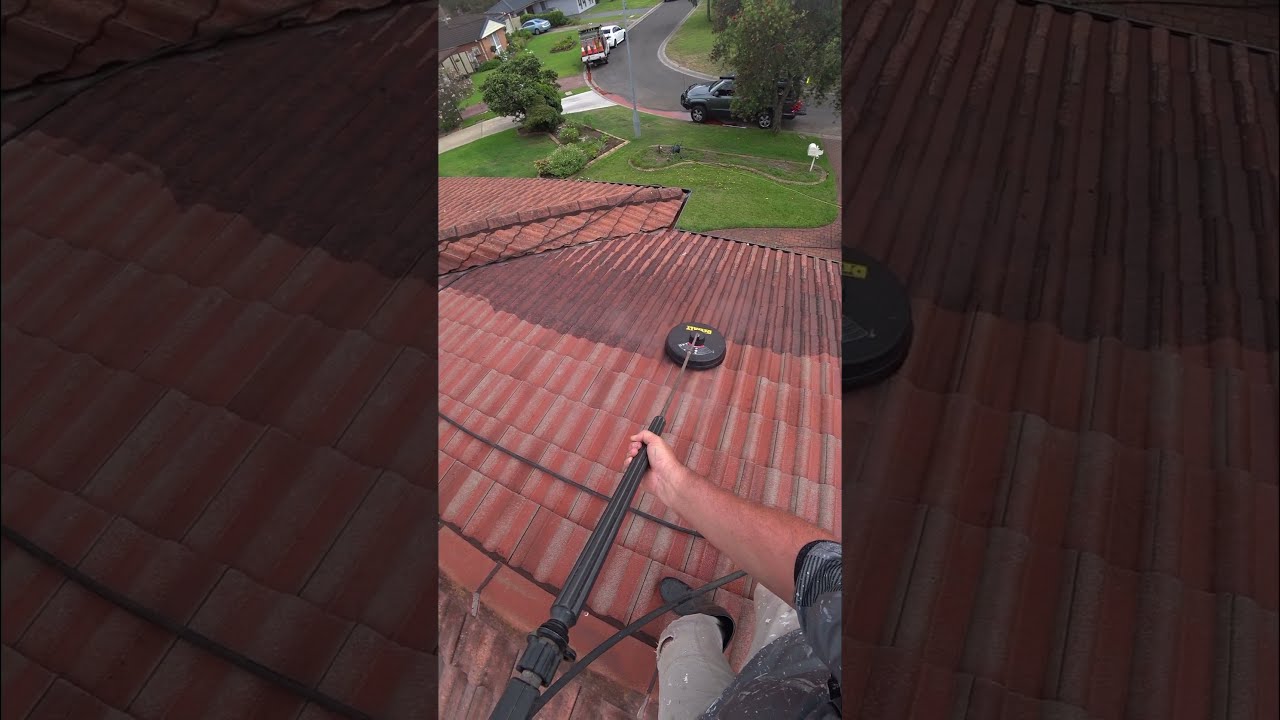
Tiled roofs are common across the Sunshine Coast. Tiles can be cracked, slipped or loose without any obvious sign https://sethxcuj961.evergrovio.com/posts/how-professional-roof-cleaners-manage-water-runoff-safely from below. Walking on damaged tiles can break them further, and high-pressure water can force moisture under the laps. Inspectors check for hairline cracks, chipped edges, deteriorated pointing on ridge caps and the condition of any surface coating or glaze. Older concrete tiles may have a worn surface layer that is easily stripped by aggressive cleaning.
Metal Roofing
Colorbond and other steel roofs are durable, but they can be scratched, dented or marked by careless access. Inspectors look for surface rust at cut edges, failing paint finishes, lifting screws and signs of corrosion, which is more likely close to the coast where salt accumulates. Chalking on older painted surfaces is also noted because it affects which cleaning products are suitable.
Other Materials
Slate, fibre cement and older asbestos-containing sheeting require special consideration. Cleaning of asbestos-containing roofs is heavily restricted in Australia, and high-pressure washing is not appropriate because it can release fibres. If a roof built before the late 1980s has fibre cement sheeting, a qualified assessment should confirm the material before any work is considered. Queensland work health and safety rules apply, so suspected asbestos should be referred to a licensed professional.
What a Pre-Cleaning Inspection Covers
A comprehensive inspection looks at the whole roof system, not just the visible surface. The main areas are listed below.
- Surface condition: Cracks, chips, erosion, rust, lifting or missing pieces, and the extent of moss, lichen, algae or mould growth.
- Ridge capping and pointing: Loose or crumbling mortar, missing bedding and shifted caps that could let water in.
- Flashings and penetrations: The seals around chimneys, skylights, vents, solar panel mounts and antennas.
- Gutters and downpipes: Blockages, sagging, rust, leaking joints and debris build-up that could be washed into drainage.
- Roof access and safety hazards: Steep pitches, slippery surfaces, brittle sheeting, skylights, power lines and fall risks.
- Surrounding property: Gardens, pools, tanks, vehicles, and the runoff path for water and cleaning solutions.
Safety Considerations
Falls from roofs are a leading cause of serious injury in the Australian home maintenance and construction industries. An inspection identifies hazards before anyone steps onto the surface. This includes assessing whether the roof can bear weight, whether fall protection such as harnesses, anchor points or edge protection is required, and whether wet or algae-covered sections will be dangerously slippery.
Weather is also factored in. Humid mornings, afternoon storms and strong coastal winds all affect safe working conditions on the Sunshine Coast. Reputable contractors plan around these conditions and follow Queensland work health and safety requirements, including working at heights procedures.
Choosing the Right Cleaning Method
The inspection findings determine how the roof should be cleaned. Soft washing, which uses low pressure combined with an appropriate treatment, is generally gentler on roofing than high-pressure blasting and is often preferred for older or more fragile surfaces. Roofs with extensive cracking, brittle tiles or a degraded coating may need repairs first, or may be unsuitable for certain methods altogether.
The inspection also guides the choice of products. Treatments need to suit the roof material and the type of growth present, and runoff has to be managed so that it does not harm gardens, pets, waterways or tank water. Disconnecting downpipes from rainwater tanks before cleaning is a standard precaution, and local stormwater rules discourage washing contaminants into drains and creeks.
Identifying Repairs Before They Become Problems
One of the most useful outcomes of a pre-cleaning inspection is the early detection of repair needs. Moss and lichen can hold moisture against the roof, while debris in valleys and gutters can cause overflow and water damage to eaves and fascia. Cleaning may reveal further issues once the growth is removed, so it helps to know what is already there.
Common repair items found during inspections include:
- Cracked or displaced tiles that need replacing before any washing takes place.
- Deteriorated ridge capping bedding that requires re-bedding and re-pointing.
- Failed flashing seals around penetrations that should be resealed.
- Rusted or loose metal sheets and fixings that need attention.
- Damaged gutters or blocked downpipes that affect drainage.
Completing repairs first, or at least scheduling them promptly afterwards, helps keep the cleaned roof watertight and avoids paying for cleaning twice.
Documentation and Transparency
A professional inspection should result in clear communication. Many contractors now use drone imagery or photographs to document the roof before and after work, which is a common practice in 2026. This gives property owners a visual record of existing damage, supports insurance discussions if a storm event occurs later, and avoids disputes about whether a defect was present before cleaning.
Owners should expect a plain explanation of what was found, which cleaning method is recommended, and whether any repairs or precautions are advised. If a contractor quotes without looking at the roof, or recommends high-pressure cleaning on every roof regardless of condition, that is a warning sign.
Questions to Ask Before Booking
When arranging roof cleaning on the Sunshine Coast, it is reasonable to ask a few direct questions:
- Will the roof be inspected before a quote is finalised?
- How will the cleaning method be matched to my roof material?
- What safety systems are used for working at heights?
- How is runoff managed, and will downpipes be disconnected from tanks?
- Does the business hold current public liability insurance?
- Will I receive photos or a report of the roof's condition?
Timing and Maintenance in the Sunshine Coast Climate
The region's warm, humid climate encourages algae, mould and lichen growth, particularly on shaded southern roof faces and beneath overhanging trees. Many owners schedule an inspection after the wetter summer months, and again ahead of the storm season, so that debris and defects are dealt with before heavy rain. Regular checks every year or two make cleaning easier and keep small issues from turning into costly repairs.
Final Thoughts
A roof inspection is the foundation of safe, effective cleaning. It identifies the roof material, reveals existing damage, highlights safety risks and determines the right method and products for the job. For Sunshine Coast homeowners, insisting on an inspection first protects both the roof and the investment in cleaning. A cleaner who takes the time to assess before starting is far more likely to deliver lasting results, and to flag any repairs that will keep the roof performing well into 2027 and beyond.
Sunshine Coast Roof Cleaning Pros
Unit 2/47 Enterprise St, Kunda Park QLD 4556, Australia
(07) 4158 6008